
Notes from Dubai
Let's start with a random fact: it has its own winter season.

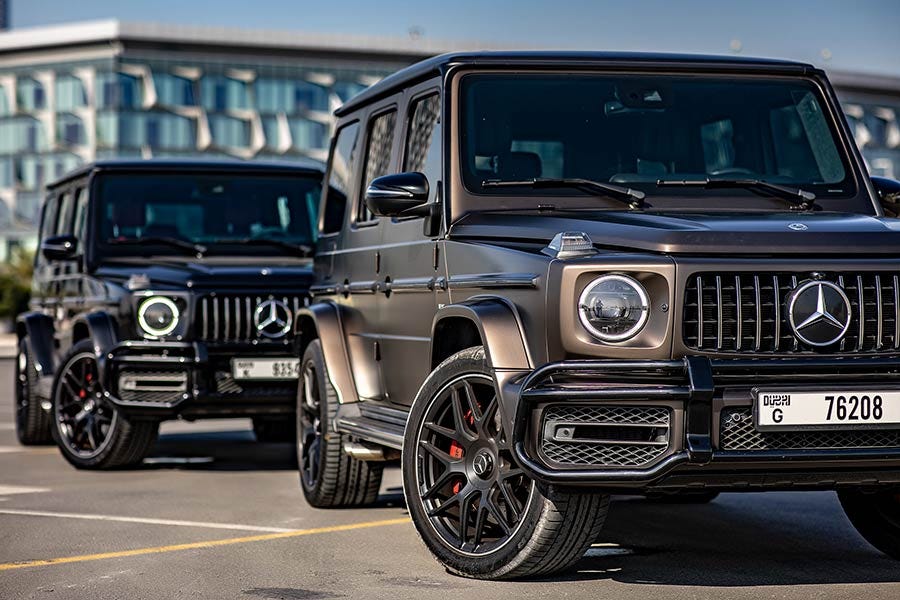
What a difference a G63 makes? A lot! Just last month, I was in Dubai for a COP28 work trip, and it's a whole different beauty. The moment you hit the toll road, you realize you're at a new level of height. Amidst the sleek Ferraris and Lamborghinis zipping past, you notice a common theme: everything is amped up to the max.
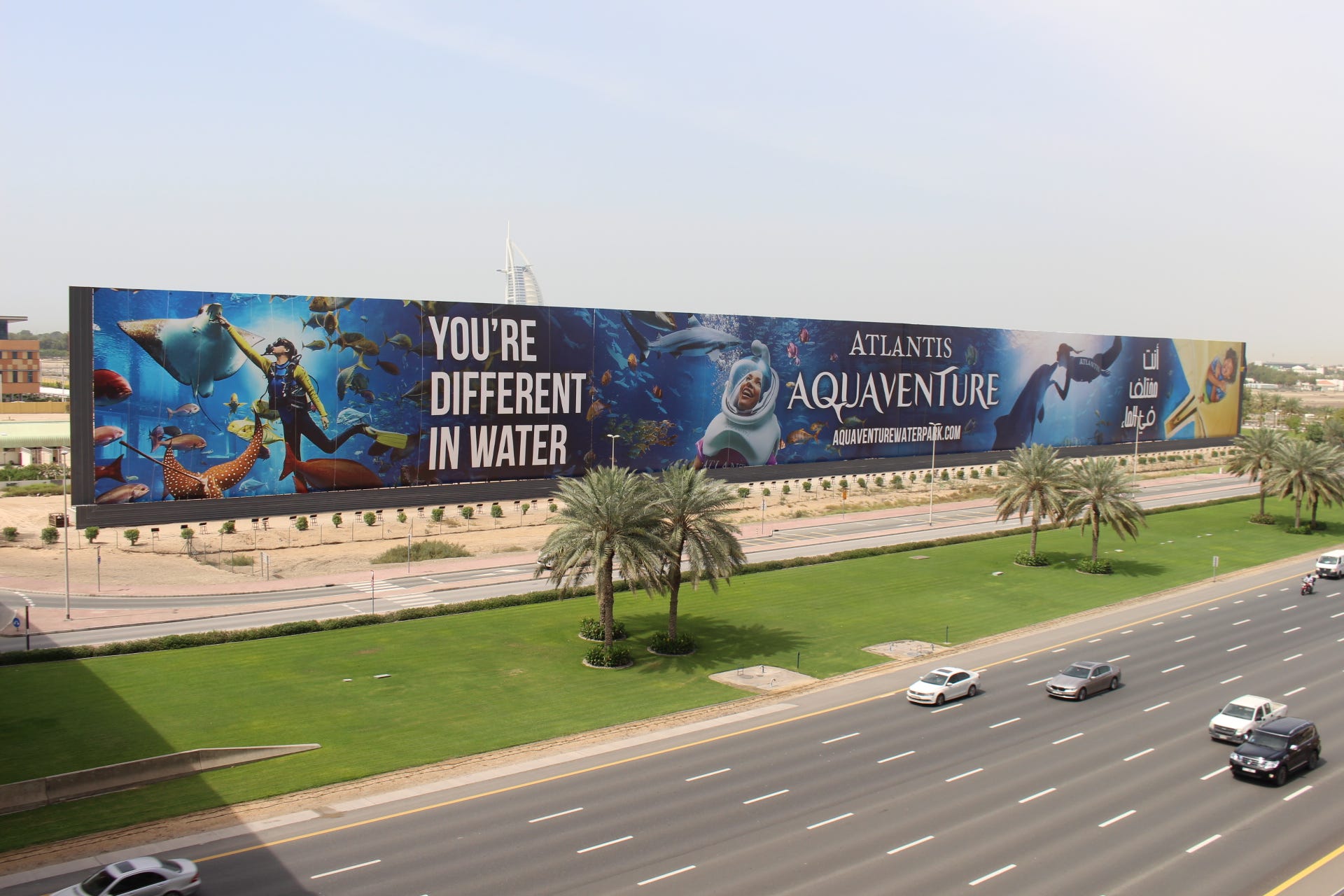
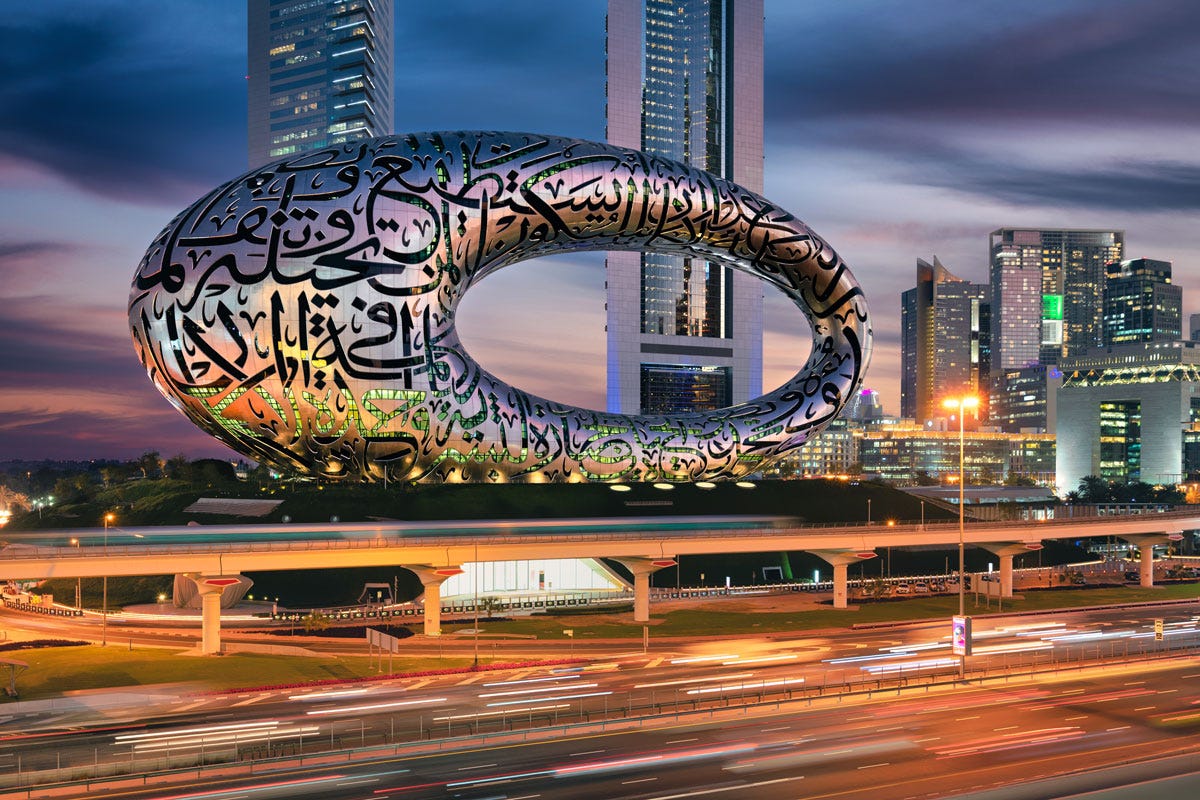
Take their advertising. Everywhere you look, giant billboards are showing off everything Dubai has to offer, from the latest smartphones to Atlantis, the nautical-themed resort with underwater rooms and over 65,000 marine animals. And don't get me started on the architecture – from the iconic Burj Khalifa to the shocking Museum of the Future, it's making your jaw drop to the bottom of the Atlantic.
But with all this extravagance, there must be some sad truth. Despite its opulent facade, the UAE has a poverty rate of 19.5%, mainly among immigrant workers. Head north and see a very different Dubai, with modest, almost slum-like housing. The class divide is palpable, especially among the Indonesian workers I spoke with, who feel the disparity in treatment compared to the natives. Another surprise is that Dubai’s air quality is as nasty as that of my hometown, Jakarta, thanks to heavy car use and oil exploitation. The city's planning also deserves scrutiny–-it's overly car-centric. The metro system is crowded, expensive, and doesn't reach everywhere, making city travel both for your feet and your wallet.
My trip left me wondering. With all its wealth, imagine if Dubai could distribute it more evenly across all sectors and classes. Dubai would have been a more beautiful city.